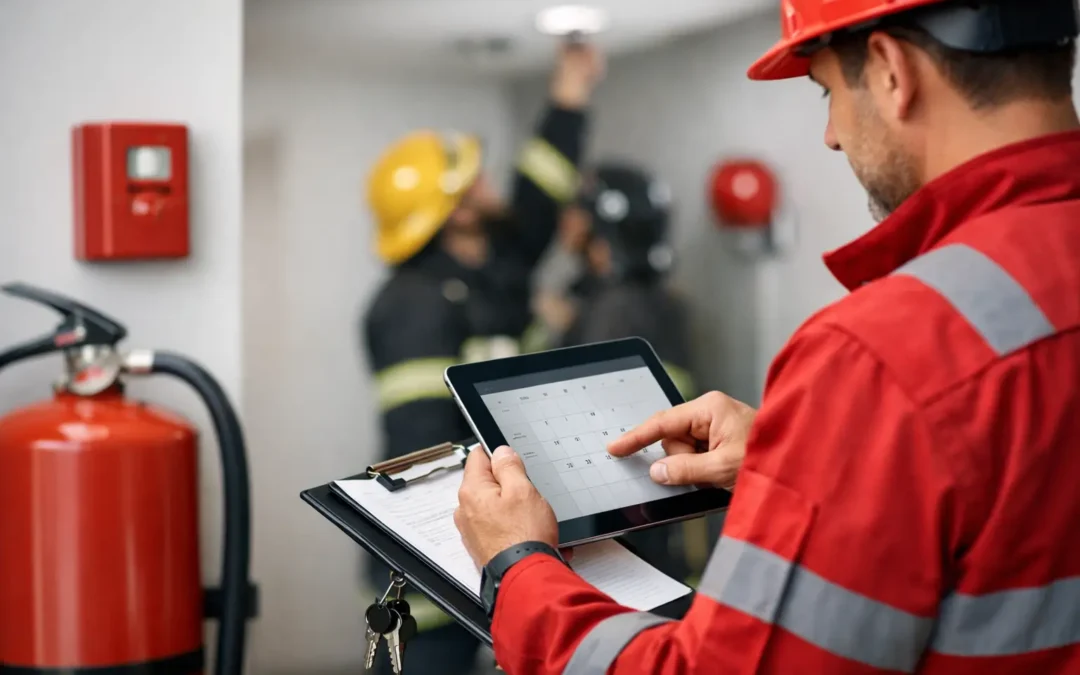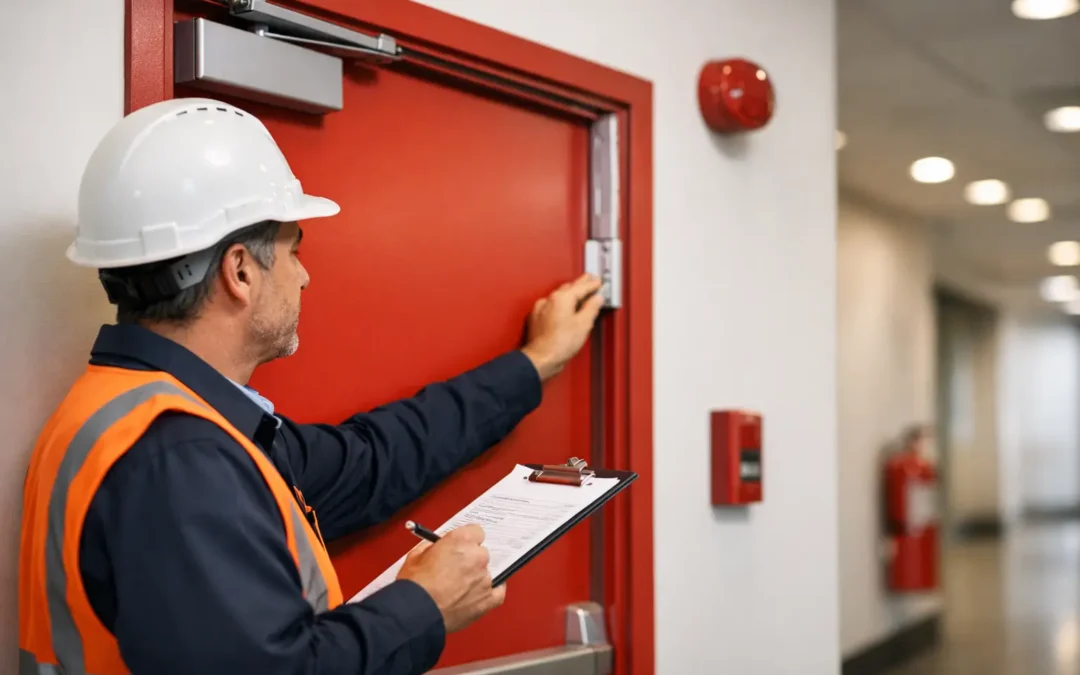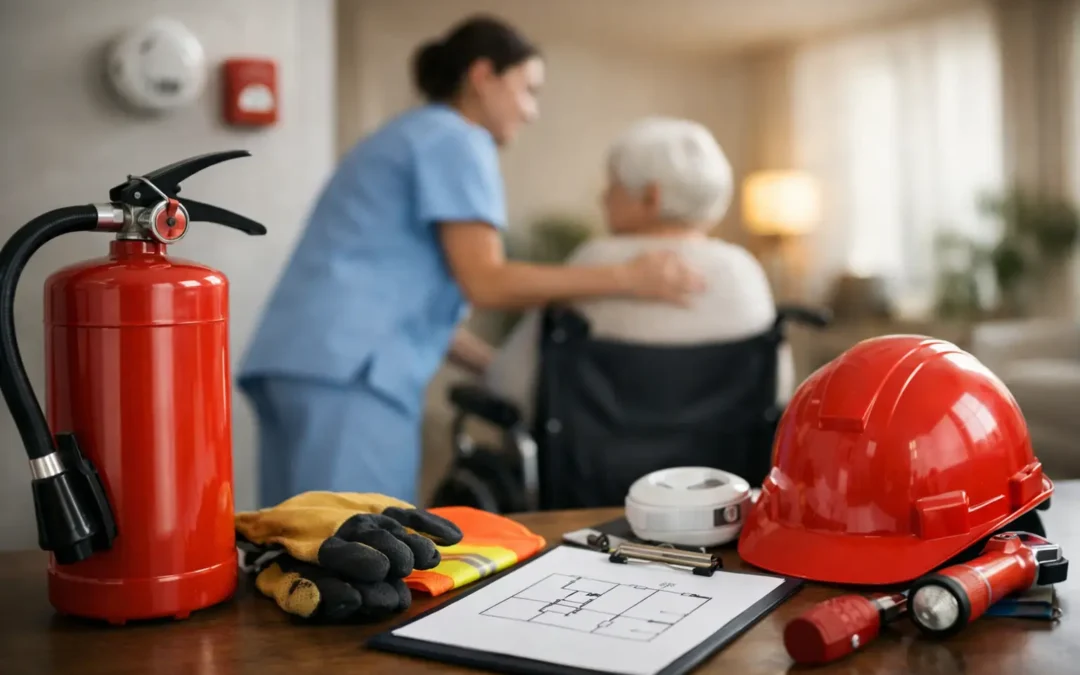
Fire risk assessment is a methodical process designed to evaluate the risk of fire within a specific environment. It involves identifying the potential sources of ignition, determining the materials that could fuel a fire, and assessing the means of escape. This critical tool is utilised to safeguard people and property, underpinning all fire safety measures. The objective is to reduce the risk as much as possible and implement safeguards to minimise the potential damage and loss of life in the event of a fire.
An effective fire risk assessment is not a one-off process, but rather an ongoing endeavour. Buildings, occupants, and their activities change over time, therefore making regular reviews necessary. For instance, a newly refurbished office space might introduce new furnishings which can alter the fire dynamics and escape routes. Lastly, an effective fire risk assessment not only identifies risks but also proposes appropriate measures to manage these risks.
The Importance of Fire Safety in Leeds
Leeds, a city with a diverse mix of modern and historical architecture, with numerous high-rise buildings and narrow, intricate streets, presents a unique challenge for fire safety. The city is home to a population of nearly 800,000 and houses several universities, shopping centres, business hubs and residential areas. This diversity and density of occupancy make fire safety a paramount concern.
The tragic Grenfell Tower blaze in London underscored the importance of robust fire safety measures across the UK. Leeds, like other cities, has a duty to ensure that its residents, visitors and workers are protected from the potential devastation of fire. This not only pertains to residential buildings but also commercial and public spaces, which often see high footfall.
Fire safety in Leeds is not simply a matter of regulatory compliance, but a moral obligation. It saves lives, protects property, and ensures the overall well-being of the city’s inhabitants. Prevention, preparedness, and effective response are key factors to mitigate the risk of fire.
Examining Leeds’s Current Fire Safety Protocols
Leeds’s fire safety protocols are governed by The Regulatory Reform (Fire Safety) Order 2005, which applies to all non-domestic premises in England and Wales. This includes shared areas in houses in multiple occupation (HMOs), residential care homes and communal areas in blocks of flats or houses. The Order assigns responsibility to those who are in control of premises and requires them to carry out a fire risk assessment, implement appropriate fire safety measures, and maintain a fire management plan.
Leeds City Council’s Community Safety team, in conjunction with West Yorkshire Fire and Rescue Service, ensures these protocols are met. They provide advice, conduct assessments and carry out inspections on buildings for compliance. They also organise fire safety awareness campaigns and training sessions for businesses and communities within Leeds.
Another key aspect of Leeds’s approach is its rigorous planning controls. New developments are required to incorporate fire safety measures into their design, including adequate means of escape, fire detection systems, and appropriate materials to minimise the spread of fire.
A Closer Look at Leeds’s Fire Services
Leeds is served by the West Yorkshire Fire and Rescue Service (WYFRS), a public safety organisation responsible for fire prevention, protection and response in the region. The WYFRS operates 24/7, attending to a wide range of emergencies beyond just fire. Its teams are trained to respond to road traffic collisions, flooding, urban search and rescue operations, and industrial accidents, in addition to fires.
The WYFRS also plays a crucial role in educating the public about fire safety. It conducts workshops, school programmes, and outreach events, and provides online resources to this end. By empowering individuals with knowledge and tips, many potential fire hazards can be prevented.
Furthermore, the WYFRS works closely with local authorities, businesses, and community groups to promote fire safety. It also contributes to planning and policy-making to ensure that fire safety remains a priority in Leeds’s development.
Assessing the Effectiveness of Leeds’s Fire Safety Measures
Leeds’s fire safety measures have shown a degree of effectiveness, as indicated by the declining number of fires over the past decade. According to data from the Home Office, there were 1,269 fires in Leeds in 2019/20, a significant decrease from the 1,566 fires recorded in 2010/11. This decline can be attributed to the rigorous enforcement of fire safety regulations and the proactive efforts of the WYFRS and Leeds City Council in promoting fire safety awareness.
However, the effectiveness of a city’s fire safety measures cannot be determined by statistics alone. The quality and effectiveness of response to fire incidents, as well as the adequacy of preventative measures, are critical indicators. The use of fire-resistant materials, the functionality of fire detection and suppression systems, and the adequacy of escape routes all contribute to fire safety.
The Grenfell Tower fire highlighted the need for constant vigilance and improvement. Even as Leeds has made strides in improving fire safety, continuous review and enhancement of protocols are imperative to maintain this progress.
Potential Improvements to Leeds’s Fire Safety Approach
While Leeds has made significant strides in fire safety, there is always room for improvement. One area for potential improvement is the regulation and oversight of older buildings. Many of Leeds’s historic buildings were built before the current fire safety regulations and, as such, may not meet modern safety standards. There is a need for stricter regulations and more proactive inspections to ensure these buildings are safe.
Another area for improvement is community engagement. While Leeds City Council and WYFRS have made great strides with their public education efforts, there are still sections of the population that may not fully understand the risk of fire and how to prevent it. Increasing outreach efforts, particularly within vulnerable communities, will be key to improving fire safety across Leeds.
Finally, the use of technology can aid in fire safety efforts. Fire detection and suppression systems are continually improving, and Leeds should consider adopting the latest technologies to enhance its fire safety measures.