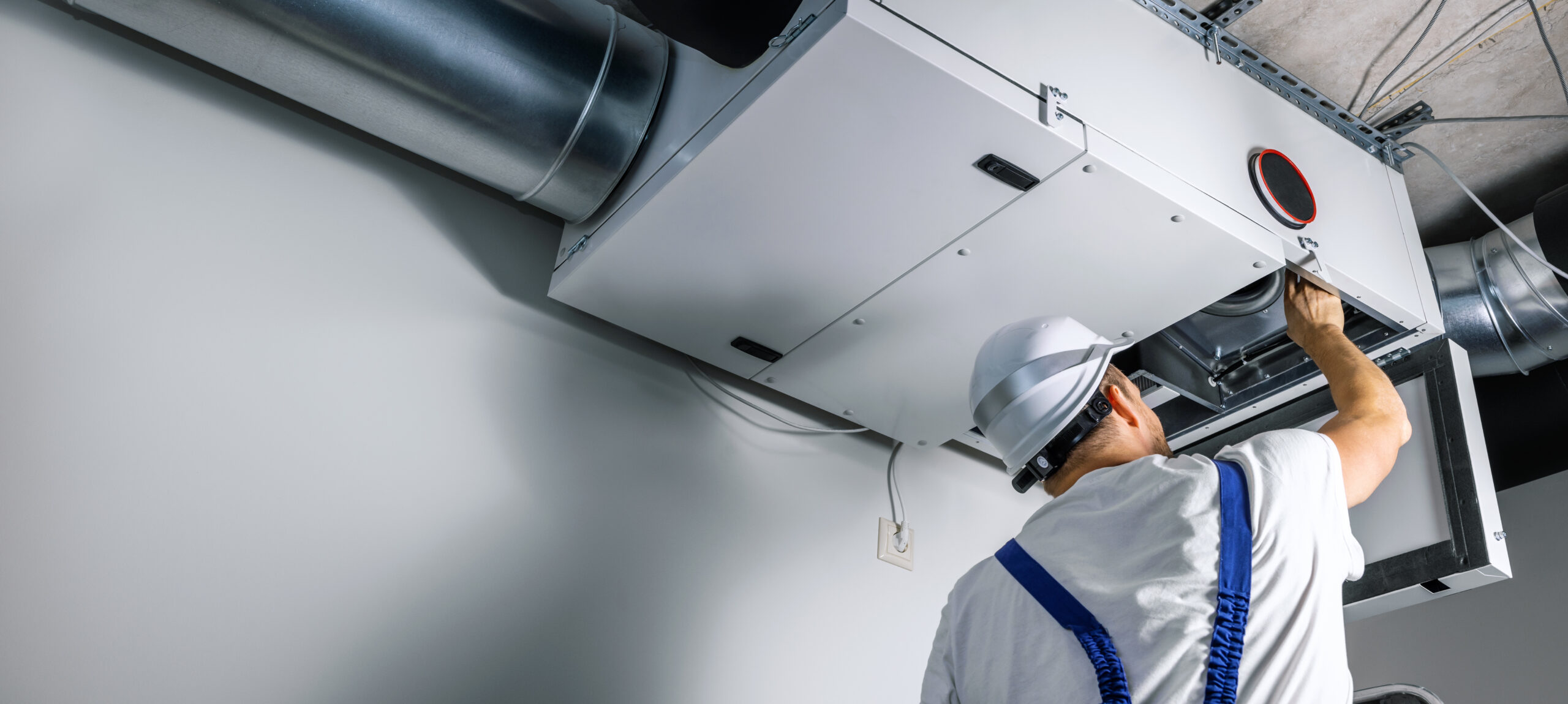
Fire dampers are essential components of a building’s fire safety system. They are typically installed within a building’s heating, ventilation, and air conditioning (HVAC) ductwork and are designed to prevent the spread of fire and smoke. To ensure they function as intended in the event of a fire, regular inspections are a must. The process of fire damper inspections involves examining these devices for any signs of damage or malfunction, thereby ensuring they are in a state of operational readiness.
In the city of Leeds, just like other parts of the UK, professional fire damper inspections are carried out by trained and certified experts. These inspections not only involve checking the functionality of fire dampers, but also involve ensuring compliance with the regulations set by relevant authorities. Additionally, these inspections also come with a detailed report that provides an overview of the condition of all fire dampers in a building.
Fire damper inspections are a critical aspect of fire safety management within a building. They aim to identify potential issues early, allowing for timely repairs or replacements. As such, they play a crucial role in safeguarding lives and property, reinforcing the importance of engaging professionals to carry out these inspections.
The Importance of Regular Fire Damper Checks
Regular fire damper checks are vital to ensure the safety of a building’s occupants. Fire dampers are designed to close automatically in the event of a fire, thereby preventing the spread of fire and smoke through the ductwork. However, they can become less effective over time due to wear and tear, dust accumulation, or mechanical failure. Regular checks allow for early detection and rectification of these issues.
The British Standards BS 9999:2017 recommends that fire dampers be inspected at least annually. Regular checks not only ensure compliance with this standard but also minimise the risk of fire spreading within a building, thereby saving lives and property. Moreover, regular inspections can also save businesses from hefty fines and penalties that may result from non-compliance with fire safety laws and regulations.
In Leeds, where many buildings are fitted with fire dampers, regular checks are crucial. These checks help maintain the city’s reputation as a safe place to live and work, and they also contribute to the overall safety standards of the UK.
Understanding the Professional Inspection Process
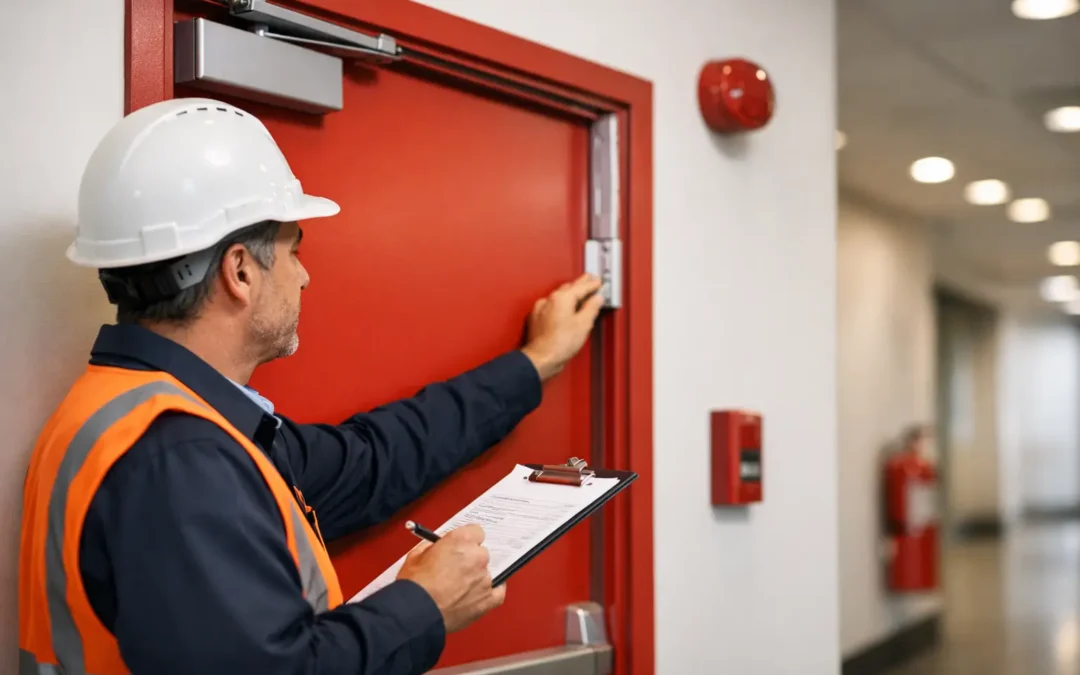
Professional fire damper inspection involves a detailed process. First, the inspector visually examines the fire damper for signs of visible damage, such as rusting or deformation. They also check the damper for correct installation and ensure that it is free from obstructions.
The inspector then tests the operation of the fire damper, ensuring that it closes fully and resets correctly. During this process, the inspector documents his findings, highlighting any issues that require attention. The inspector may also take photographs of the dampers as visual evidence of their condition.
After the inspection, the professional provides a detailed report outlining the condition of each fire damper. This report is a valuable document as it provides the building owner with a clear understanding of the state of their fire safety equipment and what actions they need to take to ensure compliance with fire safety regulations.
Key Laws and Regulations Governing Fire Dampers in Leeds
In the UK, several laws and regulations govern the inspection and maintenance of fire dampers. The Regulatory Reform (Fire Safety) Order 2005 requires building owners to ensure that their fire safety equipment, including fire dampers, is kept in good working order.
In Leeds, enforcement of these laws and regulations is the responsibility of the West Yorkshire Fire and Rescue Service. They can carry out random checks to ensure that buildings are compliant with fire safety regulations. If they find non-compliance, they can serve enforcement notices and potentially prosecute the building owner.
BS 9999:2017 is a British Standard that provides recommendations for the inspection and maintenance of fire dampers. It recommends that fire dampers be tested at least annually and that a thorough inspection be carried out every two years. Non-compliance with this standard can lead to legal action and can also have insurance implications.
Identifying Common Issues During Fire Damper Inspections
During a fire damper inspection, a number of common issues can be identified. One of the most common problems is the damper failing to fully close. This can be caused by obstructions in the damper or problems with the damper’s mechanism.
Another common issue is rust or corrosion on the damper. This can compromise the damper’s integrity and its ability to resist fire. Rust can be caused by damp conditions or by the damper being made of inferior materials.
If a damper is found to have these or any other issues during an inspection, it should be repaired or replaced as soon as possible. Failure to do so could result in the damper failing in the event of a fire, potentially leading to loss of life and property.
How to Choose a Qualified Fire Damper Inspector in Leeds
When choosing a fire damper inspector in Leeds, it’s important to ensure that they are qualified and experienced. They should have a thorough understanding of the laws and regulations governing fire dampers, as well as the technical knowledge to carry out the inspection effectively.
The inspector should also be certified by a recognised body, such as the Institution of Fire Engineers (IFE). This certification demonstrates that the inspector has undergone rigorous training and has demonstrated competence in the field.
When choosing an inspector, it’s also advisable to ask for references or testimonials from previous clients. This can provide reassurance that the inspector is reliable and capable of carrying out the inspection to a high standard.
Preparing for a Fire Damper Inspection: A Step-by-Step Guide
Before a fire damper inspection, the building owner or manager should ensure that all areas of the building are accessible to the inspector. This includes areas where fire dampers are located, such as ductwork and ceiling voids.
The owner or manager should also make available any relevant documents, such as previous inspection reports or building plans. These can provide the inspector with valuable information about the building’s fire safety equipment.
After the inspection, the owner or manager should review the inspection report carefully and take any necessary actions as soon as possible. This might include arranging for repairs or replacements, or implementing recommended maintenance procedures.
The Role of Fire Dampers in Building Safety Management
Fire dampers play a crucial role in building safety management. In the event of a fire, they close automatically to prevent the spread of fire and smoke through the building’s ductwork. This can save lives, prevent property damage, and allow more time for the building’s occupants to evacuate.
Regular inspections of fire dampers are an essential part of fire safety management. These inspections ensure that the dampers are in good working order and are able to perform their life-saving function in the event of a fire.
In the city of Leeds, professional fire damper inspections contribute to the city’s reputation as a safe place to live and work. They are a vital part of the city’s fire safety strategy and help to ensure the safety of its residents and workers.