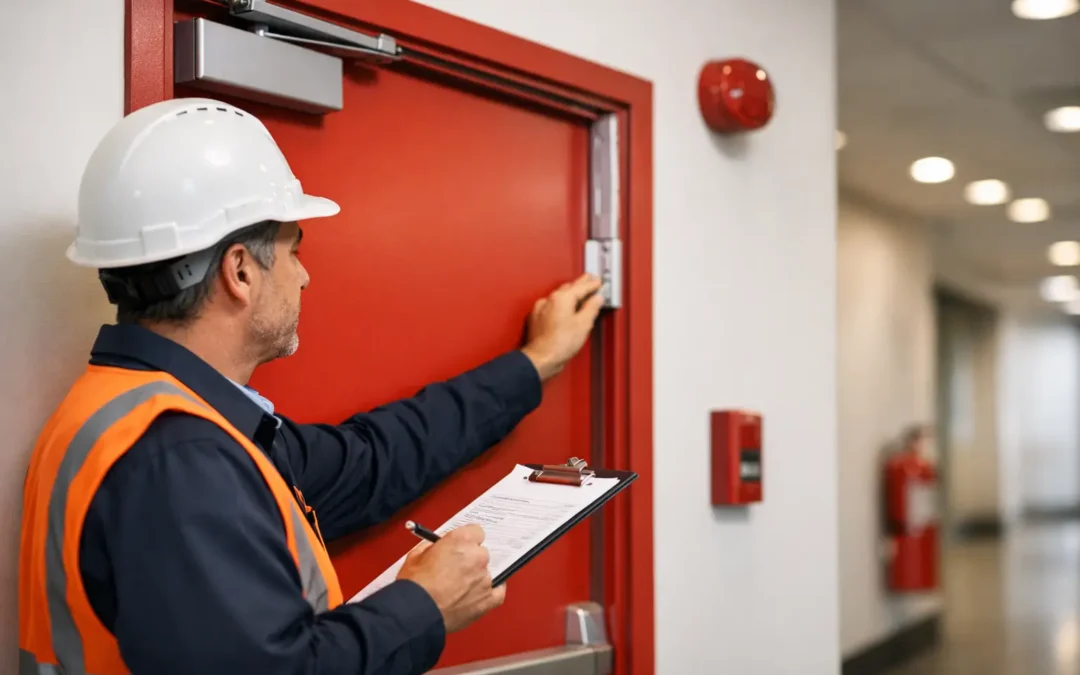
A fire risk assessment is a procedure that is carried out to assess properties for the risk of fire. The primary objective of a fire risk assessment is to protect the people in and around the premises, as well as the building itself. It involves a systematic process of looking at the premises, noting the fire prevention measures in place, and determining whether they are sufficient.
Fire risk assessments not only identify the various fire hazards but also evaluate how well a building is equipped to deal with the onset of a fire. They are an essential preventive measure that helps in forming a fire safety strategy, implementing effective safety policies, and ensuring maximum safety for occupants and visitors.
In the United Kingdom, fire risk assessments are not just a recommended practice; they are a legal requirement under the Regulatory Reform (Fire Safety) Order 2005. The regulations apply to all non-domestic premises, including communal areas of residential buildings and houses in multiple occupations (HMOs).
The Importance of Fire Risk Assessments in Newcastle
Fire risk assessments are crucial in Newcastle, a city with a mix of residential, commercial, and historical properties. With the diversity of buildings, each with its unique set of risks, a comprehensive fire risk assessment becomes essential for ensuring safety. In addition, Newcastle’s city council is committed to maintaining high safety standards across all properties, further highlighting the importance of thorough assessments.
Fire risk assessments in Newcastle help property owners identify potential fire hazards and implement appropriate safety measures. They also play a vital role in educating and raising awareness among the city’s residents and business owners about fire safety, making Newcastle a safer place for everyone.
Moreover, failure to conduct a fire risk assessment can lead to severe legal penalties, including fines and imprisonment. Therefore, for the safety of inhabitants and compliance with fire safety regulations, regular fire risk assessments are a must in Newcastle.
Components of a Fire Risk Assessment
A comprehensive fire risk assessment consists of five key elements. The first step is to identify potential fire hazards, such as sources of ignition, fuel, and oxygen. Next, the people at risk, including employees, visitors, and those particularly vulnerable, must be identified.
The third component involves evaluating, removing, or reducing the risks. This could mean implementing fire safety measures like installing fire alarms, fire doors, or proper ventilation systems. A record of the identified hazards and actions taken to address them forms the fourth part of the assessment.
Finally, the fire risk assessment must be reviewed regularly, and changes made if necessary. This ensures that any new hazards are quickly identified and dealt with, maintaining the integrity of the fire safety measures in place.
Understanding Fire Hazards in Different Buildings
Different types of buildings present unique fire hazards. For instance, residential properties might contain fire hazards such as cooking appliances, heating systems, and electrical equipment. On the other hand, commercial buildings might be at risk due to machinery, flammable materials, or processes that generate heat.
Historical buildings in Newcastle, like castles and churches, pose additional challenges due to their age, architectural complexity, and the materials used in construction. These buildings require specialised risk assessments to ensure their preservation while maintaining safety.
Therefore, it is critical to understand that not all fire risk assessments are the same. Each building requires an individual approach tailored to its specific risks, construction, usage, and the number of occupants.
How to Conduct a Fire Risk Assessment
Conducting a fire risk assessment involves a thorough inspection of the premises, identification of potential fire hazards, and evaluation of current fire safety measures. It’s a task that requires expert knowledge and understanding of fire safety regulations, building codes, and potential fire risks.
While property owners can conduct a simple fire risk assessment themselves, it is often advisable to hire a competent person, such as a professional fire safety expert, especially for larger or more complex buildings. These professionals have the training and experience to spot not-so-obvious hazards and suggest the most effective safety measures.
Upon completion of the assessment, a detailed report should be produced, outlining the findings and recommendations. A good fire risk assessment report will help in creating a robust fire safety strategy that protects both the building and its occupants.
Professional Fire Risk Assessment Services in Newcastle
Newcastle hosts a number of professional fire risk assessment services that ensure comprehensive and compliant assessments. These services offer expertise in assessing different types of buildings, including residential properties, commercial establishments, and historical buildings.
Professional services provide a detailed report outlining the identified hazards, recommended actions, and an action plan for implementing the suggested safety measures. By hiring a professional service, property owners gain the assurance of a thorough assessment that meets regulatory standards.
Moreover, these services often provide training and advice to help property owners enhance their fire safety awareness, contributing to a safer community in Newcastle.
Legal Responsibility and Fire Safety Regulations in the UK
In the UK, the Regulatory Reform (Fire Safety) Order 2005 sets out the law relating to fire safety. It states that the ‘responsible person’, typically the owner, landlord, or employer, must carry out a fire risk assessment and implement appropriate safety measures.
Failing to adhere to these regulations can result in severe penalties, including fines and imprisonment. Legal responsibility also extends to ensuring the safety of everyone who uses the premises, making fire risk assessments not just a regulatory requirement, but a moral duty as well.
Besides the legal responsibilities, compliance with fire safety regulations also carries the benefits of property preservation, protection of lives, and prevention of costly damages and insurance claims.
Case Studies and Best Practices in Fire Risk Assessments
Several case studies highlight the importance and effectiveness of fire risk assessments in preventing fires and saving lives. For example, a Newcastle business was able to prevent a potentially devastating fire by identifying and removing a poorly placed heat source during a routine fire risk assessment.
Best practices in fire risk assessments include carrying out assessments regularly, involving professionals for complex buildings, and ensuring all fire safety measures are in place and functioning correctly. It is also essential to keep a written record of assessments, actions taken, and any incidents to provide a reference for future assessments.
These cases and practices underscore the importance of comprehensive fire risk assessments in maintaining safety, upholding legal responsibilities, and contributing to a safer Newcastle.