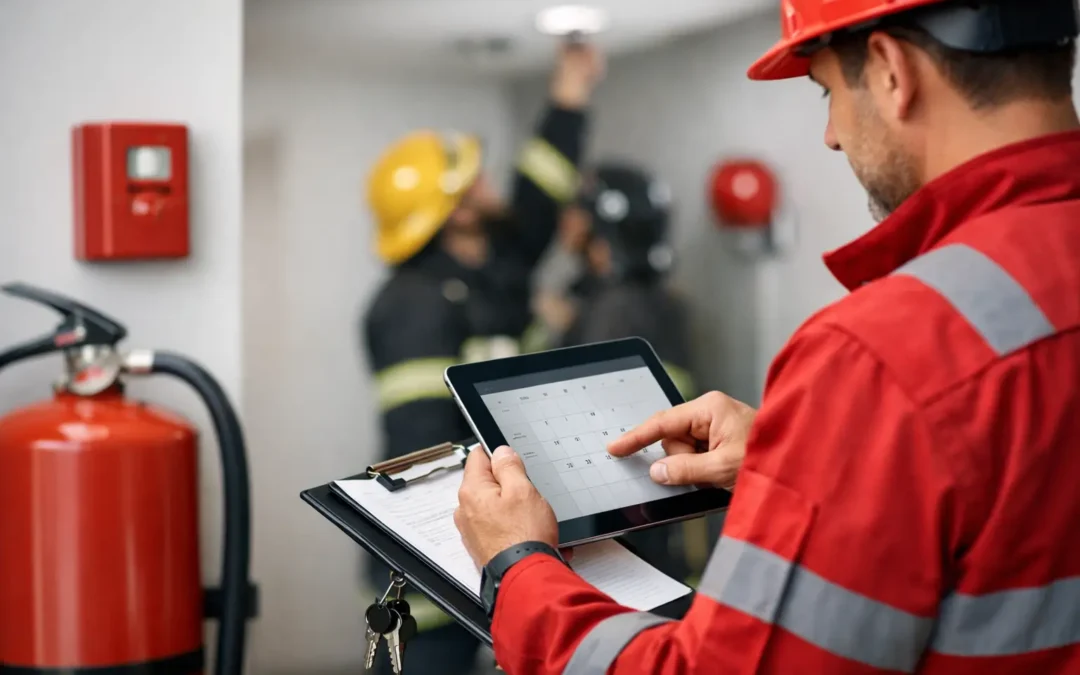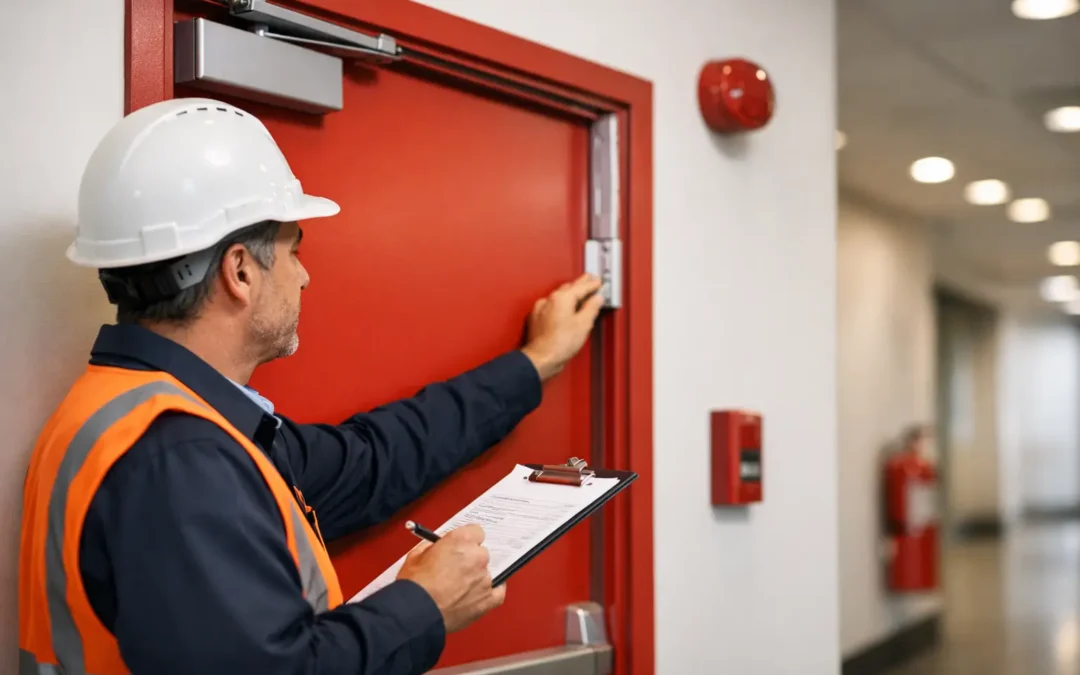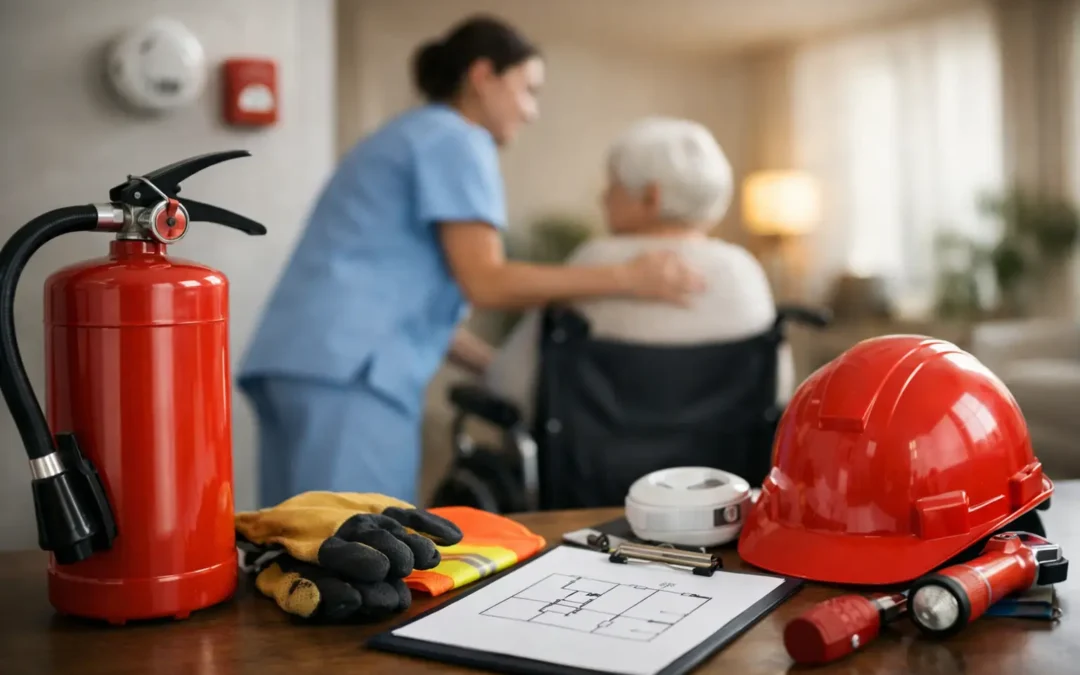
Fire risk assessments are crucial tools for identifying and mitigating potential fire dangers within Liverpool’s built environment. They entail a systematic evaluation of buildings and premises to pinpoint areas prone to fire hazards, determine the vulnerability of occupants, and propose appropriate safety measures. Undertaken regularly and meticulously, these assessments are key to ensuring the safety of both residential and commercial structures in the city.
Fire risk assessments in Liverpool encompass a multitude of factors, including the condition and configuration of buildings, the nature of materials used in construction, and the presence of fire safety equipment. The assessments also consider the potential human factors that could contribute to fire risks, such as occupant behaviour and management practices. They are tailored to the specific circumstances of each building, providing a detailed picture of the potential threats.
Conducting effective fire risk assessments requires expert knowledge of fire safety regulations, construction standards, and risk analysis methods. Therefore, these assessments are usually carried out by professional fire safety consultants or competent persons within an organisation, who are trained in fire safety and risk management.
Understanding the Importance of Fire Risk Assessments
Fire risk assessments are an essential aspect of fire safety in Liverpool’s built environment. They provide a systematic method for identifying potential fire hazards and determining the likelihood of a fire occurring. This information is crucial for designing effective fire prevention strategies and emergency response plans, thereby reducing the potential damage and ensuring the safety of building occupants.
The benefits of fire risk assessments go beyond the immediate concern of preventing fires. They can also contribute to the overall productivity and sustainability of buildings in Liverpool. By identifying and addressing potential fire hazards, businesses can avoid costly disruptions and damage, safeguard their assets, and maintain their reputation. Moreover, residential building owners can protect their property and ensure the safety and comfort of their tenants.
In a broader perspective, fire risk assessments contribute to the overall safety and wellbeing of the community. They help to prevent catastrophic fires that could cause extensive property damage, economic loss, and harm to the public. Furthermore, they can aid in the development of city-wide fire safety strategies and policies, and support the work of the fire services in Liverpool.
Identifying Fire Hazards in Liverpool’s Built Environment
Identifying fire hazards is a critical step in the fire risk assessment process. In Liverpool’s built environment, these can range from physical factors such as outdated electrical systems and flammable materials, to organisational issues like poor maintenance practices and inadequate fire safety training. The assessment aims to detect these hazards and evaluate their potential impact and probability of occurrence.
One of the common fire hazards in Liverpool’s buildings includes faulty or ageing electrical systems, which can cause fires if not properly maintained. Buildings with poor ventilation can also accumulate flammable gases or vapours, increasing the risk of fire. Other potential hazards include the storage of flammable substances, inadequate fire safety equipment, and blocked escape routes.
Human factors are also considered during the assessment. These may include the behaviour and awareness of occupants, the management’s commitment to fire safety, and the effectiveness of existing fire safety procedures. It’s important to address these issues promptly to minimise the risk of fire and ensure the safety of occupants.
Interpreting Fire Risk Assessment Reports
Fire risk assessment reports provide a comprehensive overview of the potential fire hazards in a building, the people at risk, and the measures needed to mitigate these risks. The report typically includes a detailed description of the property, a summary of the findings, and recommendations for improving fire safety. Understanding how to interpret these reports is important for building owners, managers, and occupants.
The findings section of the report details the identified fire hazards, the people at risk, and the existing fire safety measures. It also evaluates the likelihood of a fire occurring and the potential impact if it does. This information is crucial for understanding the current fire risk profile of the building.
The recommendations section provides practical advice on how to reduce the identified risks. This may include measures such as upgrading fire safety equipment, improving evacuation procedures, or providing fire safety training. Following these recommendations is key to enhancing the safety of the building and complying with fire safety regulations.