In the bustling city of Leeds, safety is a priority, especially in buildings where the risks of fire are high. A critical part of this safety is the installation of fire doors, which provide an essential line of defence against the spread of fire and smoke. These specialist doors are designed to withstand fire for a specific amount of time, usually rated as FD30 or FD60, giving occupants vital minutes to escape and the fire service time to arrive.
Fire door installations are not your everyday door fitting job. They require a high level of expertise and understanding of UK fire safety regulations. Fire doors, along with their complementary components like fire-resistant frames, seals and hardware, must be installed correctly to ensure they function as intended in the event of a fire.
It is also important to note that fire door installations in Leeds encompass both residential and commercial properties. Whether it’s a high-rise apartment building, a bustling office, or a historical landmark, every property has a unique set of requirements and challenges when it comes to fire safety.
Understanding the Importance of Fire Doors
Fire doors play a crucial role in fire safety. Their primary function is to restrict the spread of fire and smoke, thereby providing a safe escape route for occupants. They also protect property and contents from damage, which can have significant financial implications.
Additionally, fire doors also contribute to compartmentalisation in buildings. This means that they can help contain a fire within a specific area, limiting its spread and providing crucial time for evacuation and for emergency services to respond. Without them, fires could spread rapidly and uncontrolled, leading to catastrophic damage and loss of lives.
Furthermore, in the UK, installing fire doors is not just a matter of safety but also a legal requirement for certain types of properties. Failing to install compliant fire doors where necessary could result in penalties, but more importantly, it could endanger lives.
Complying with the UK Fire Safety Regulations
In the UK, fire door installations must comply with fire safety regulations. The Regulatory Reform (Fire Safety) Order 2005, often referred to as the FSO, outlines specific responsibilities for those in control of premises. This includes the installation and maintenance of appropriate fire safety measures, such as fire doors.
These regulations apply to all non-domestic premises and common areas of multi-occupied residential buildings. Hence, landlords, building owners, and anyone else responsible for a building’s safety need to ensure that their property is compliant. Violations of these regulations can result in severe penalties, including fines and even imprisonment.
Compliance with the regulations involves choosing the right fire door, ensuring it is correctly installed, and regularly checking and maintaining the door. It may also involve making adjustments as necessary to ensure the building’s ongoing safety.
Deciding on the Right Fire Door for Your Property
Choosing the right fire door for your property is a vital step in the process. Fire doors come in various styles and specifications, and the correct choice will depend on several factors. These include the building’s layout, the location and size of the door, and the level of fire resistance required.
Fire doors are rated based on the length of time they can resist fire. This is usually 30 or 60 minutes, designated as FD30 and FD60, respectively. Other considerations will include the material of the door (usually solid timber, steel, or a composite material), its style and finish, and the type of door frame and fittings required.
It’s also essential to consider features such as vision panels, which allow people to see through the door, and access requirements, such as those for wheelchair users. Professional advice should be sought to ensure the right decisions are made.
Key Steps in the Fire Door Installation Process
Installing a fire door involves a series of careful steps. Firstly, a detailed assessment of the area where the door will be installed is necessary to ensure the correct size and type of door is chosen. Then, the door frame is fixed securely to the wall, creating a strong foundation for the door.
Secondly, the door itself must be hung correctly, ensuring it operates smoothly and seals properly when closed. This involves fitting the door into the frame, attaching the hinges, and installing the door hardware, such as handles, locks, and door closers.
Finally, additional components such as intumescent strips and smoke seals are fitted. These swell in the heat of a fire, sealing the gaps between the door and frame to prevent the passage of fire and smoke. Once the door is installed, it should be properly checked and certified by a competent person.
Choosing a Trusted Fire Door Installer in Leeds
Given the complexities and regulations involved in fire door installations, it’s crucial to engage a trusted fire door installer. In Leeds, there are several reputable companies with the necessary experience and qualifications to undertake such critical work.
A trusted installer will not only have a thorough understanding of the UK fire safety regulations but also the practical experience of fitting various types of fire doors in different kinds of properties. They should also be able to provide advice on choosing the right door, carry out the installation to the highest standards, and offer aftercare services.
Choosing an installer registered with a professional body like the British Woodworking Federation (BWF) can provide additional assurance. These organisations have stringent standards and regularly audit their members to ensure quality and compliance.
Post-Installation Checks and Maintenance Tips
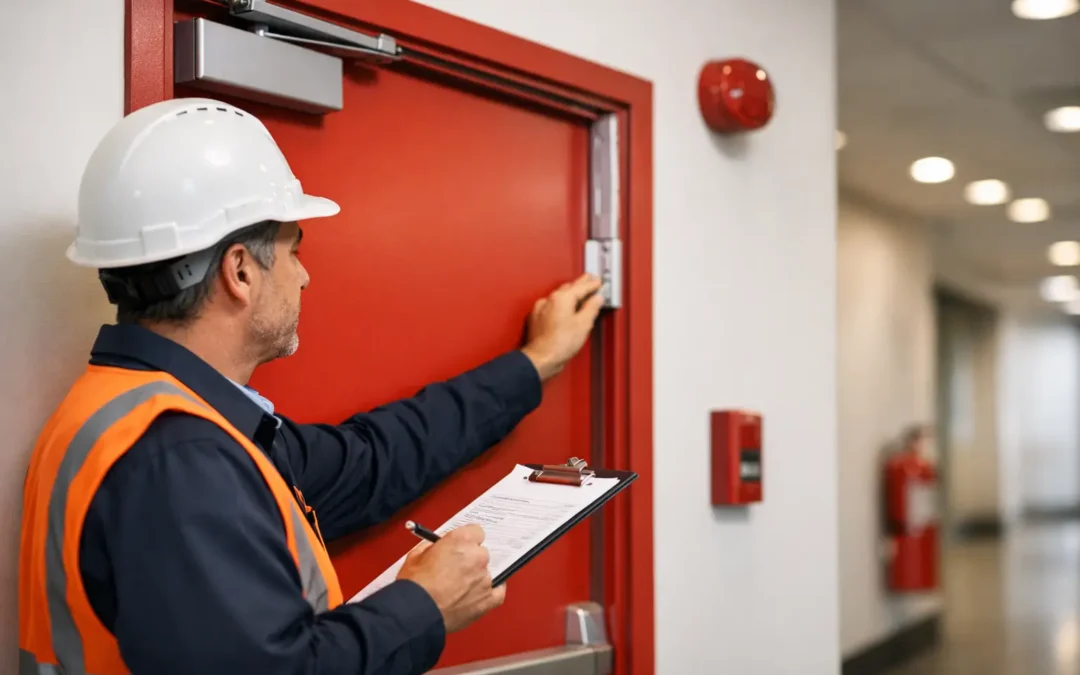
Once a fire door has been installed, it’s vital to keep it in good working order. This means regularly checking the door and its components, such as seals, hinges, and closers, to ensure they are functioning correctly. Any signs of damage or wear should be addressed promptly to maintain the door’s fire resistance.
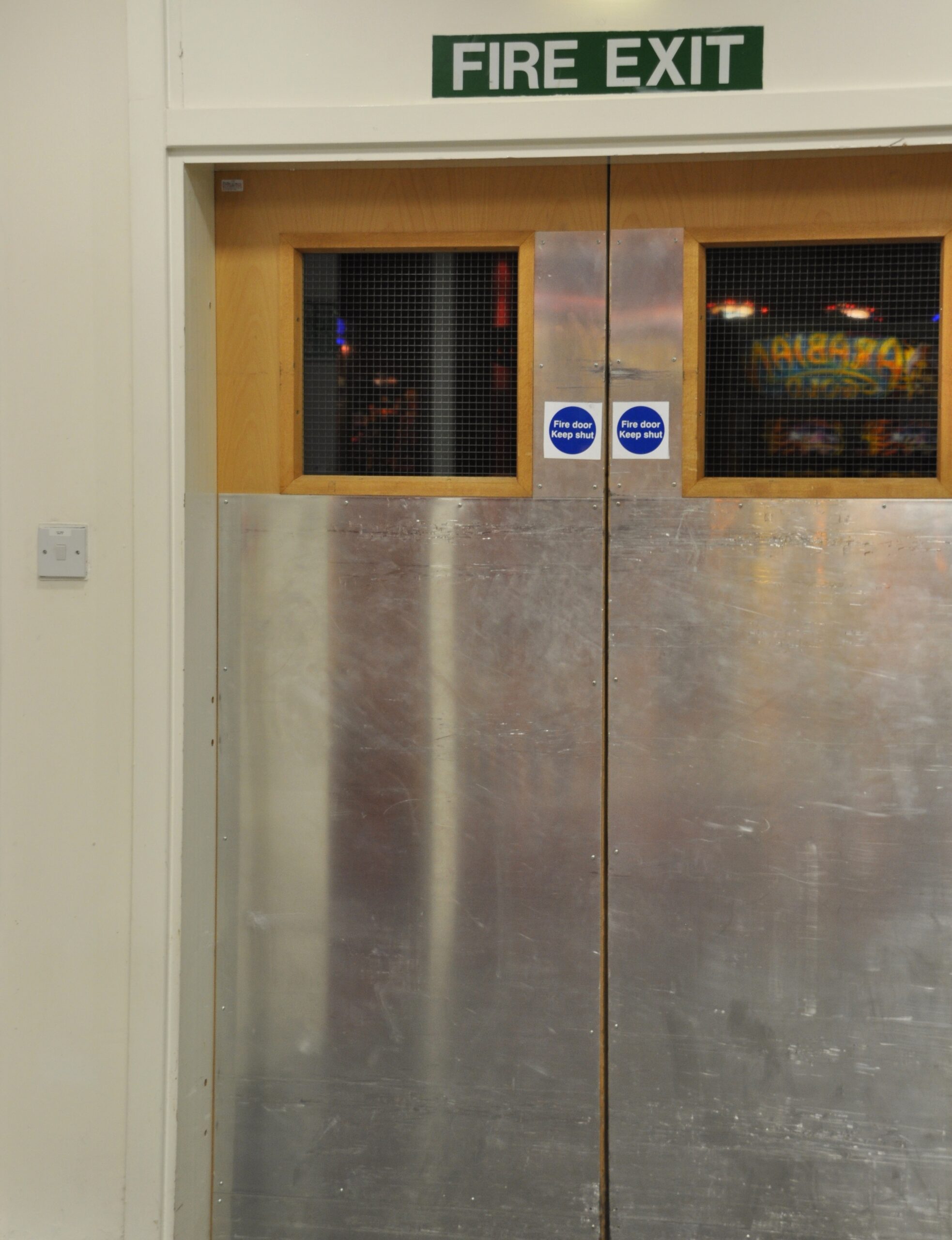
Keeping the door closed, especially in high-risk areas, is also crucial. Fire doors can only resist fire and smoke if they are closed. Therefore, devices like door closers or hold-open devices that automatically close the door in a fire can be very useful.
Lastly, it is good practice to keep a record of all checks and maintenance work carried out on the fire door. This can demonstrate due diligence in the event of a fire safety inspection and can also help identify any recurring issues that may need addressing.