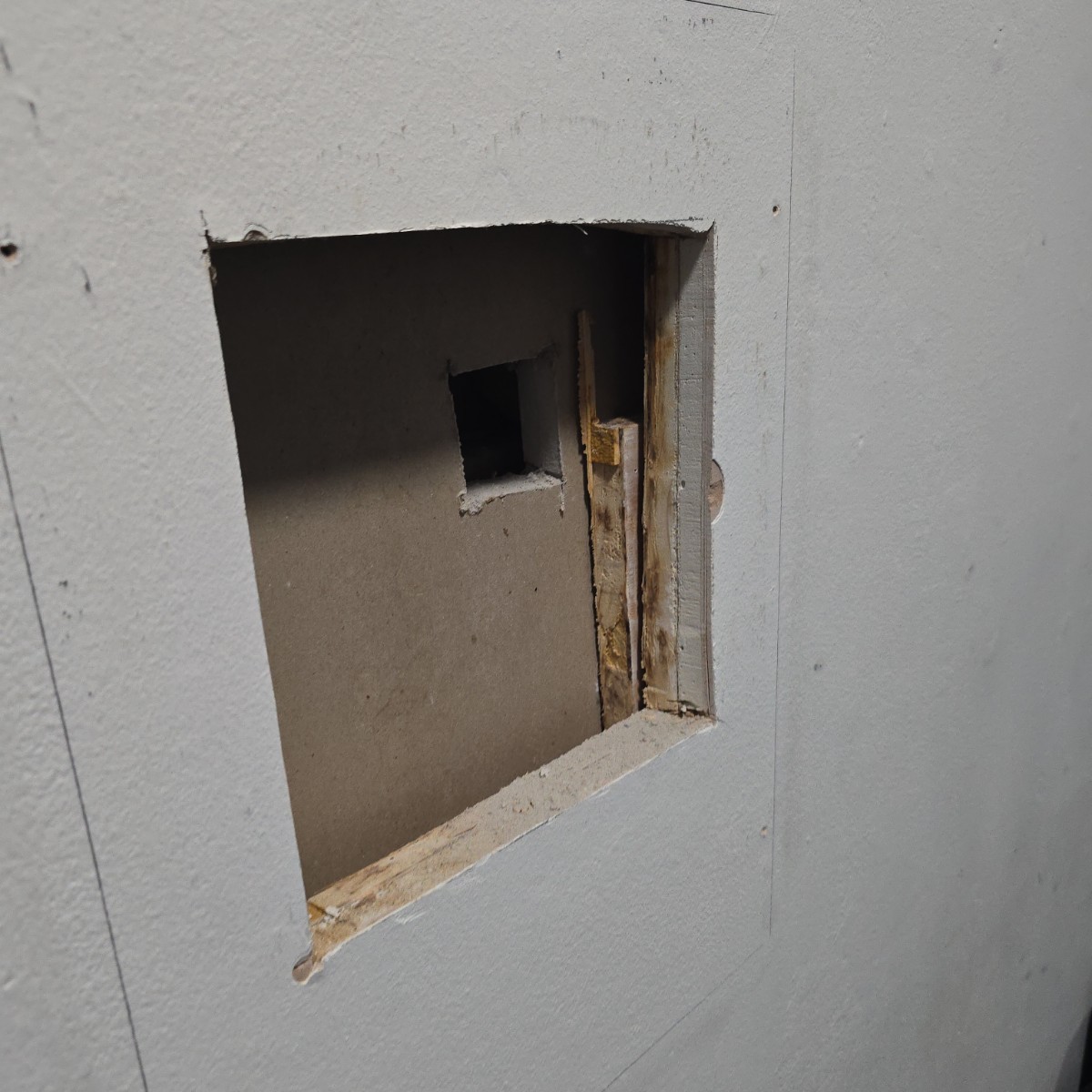
RIBA Stage 4 Substrate Surveys: Expert Validation of Construction for Compliant Fire Safety Design
In today’s construction industry, fire safety compliance is more important than ever. With stricter regulations such as the Building Safety Act and heightened scrutiny on passive fire protection, getting the details right during the technical design phase is critical. This is exactly where a RIBA Stage 4 substrate survey plays a vital role.
This article explains what RIBA Stage 4 substrate surveys involve, why they matter, what they typically include, and how they differ from compartmentation surveys. We’ll also outline the benefits for architects and fire engineers and why Trident Fire Protection and Training Ltd is a trusted partner for these specialist assessments.
What is a RIBA Stage 4 Substrate Survey?
A RIBA Stage 4 substrate survey is a detailed assessment carried out during the technical design stage (RIBA Stage 4) of the RIBA Plan of Work. At this point, projects move from concept to detailed, buildable information.
The survey focuses on validating the substrates — the underlying materials and assemblies such as walls, floors, ceilings, and structural elements — to confirm they meet the required fire performance standards. It checks fire resistance ratings, build-ups, insulation, fire-stopping details, and interfaces that are critical to the overall fire strategy.
Conducted by experienced fire safety professionals, these surveys provide architects and fire engineers with accurate, verified data before construction advances, reducing the risk of costly rework later.
Why Substrate Validation Matters at RIBA Stage 4
Substrate validation at RIBA Stage 4 is essential for several reasons:
- It ensures the constructed elements will perform as intended in the fire strategy.
- It helps identify issues early, avoiding delays and expensive variations during construction.
- It supports compliance with the Building Safety Act, Approved Document B, and Gateway requirements.
- It gives the design team confidence that their specifications are based on real site conditions rather than assumptions.
Early validation is particularly valuable in refurbishment projects or complex new builds where existing construction details may not be fully documented.
What Does a RIBA Stage 4 Substrate Survey Include?
A typical survey includes:
- Thorough visual inspection of substrates and construction assemblies
- Assessment of fire-resistant materials, insulation, and fire-stopping details
- Verification of compartmentation interfaces and penetration seals
- Detailed reporting with photographs, measurements, and compliance recommendations
- Identification of any non-conformities with clear remedial guidance
Reports are designed to be practical for the design team, contractors, and regulatory submissions.
Key Benefits for Architects and Fire Engineers
- Greater confidence in the fire strategy and technical design
- Reduced risk of non-compliance and late-stage changes
- Smoother progress through Gateway 2 submissions
- Improved collaboration between design and construction teams
- Enhanced professional reputation through demonstrated commitment to safety
How These Surveys Support Current Building Regulations
RIBA Stage 4 substrate surveys directly support compliance with key UK regulations. They help demonstrate that materials and construction methods meet the fire performance requirements set out in Approved Document B and align with the Building Safety Regulator’s expectations.
The resulting documentation also provides valuable evidence for building owners and duty holders, supporting both initial approvals and future audits.
RIBA Stage 4 Substrate Survey vs Compartmentation Survey
While both relate to passive fire protection, they serve different purposes:
- A RIBA Stage 4 substrate survey is a design-stage validation. It checks that substrates and construction details support the intended fire strategy before building work advances.
- A compartmentation survey is usually a post-construction inspection. It verifies that the completed fire barriers, walls, floors, and seals are properly installed and free from defects.
The two services complement each other. A strong substrate survey at Stage 4 often results in fewer issues during later compartmentation inspections.
Why Choose Trident for RIBA Stage 4 Substrate Surveys?
Trident Fire Protection and Training Ltd brings decades of specialist experience in passive fire protection to every RIBA Stage 4 substrate survey. Our consultants combine detailed survey expertise with practical knowledge of installation and compliance.
We deliver clear, actionable reports that design teams can rely on, helping projects stay on schedule while meeting the highest safety standards. Nationwide coverage and a commitment to quality make us a trusted partner for architects, fire engineers, and developers.