Our business provides solutions for fire protection to clients across the UK. We work hard to ensure that you have the safety measures you need in the event of a blaze. For example, our fire damper tests are essential to ensuring that these critical installations are in working order. We are very thorough with our testing, leaving nothing out.
Dampers restrict the spread of fire

The main purpose of dampers is to stop flames, smoke, and hazardous gas from spreading. What this does is contain these harmful elements so the vicinity where the fire broke out. That helps to protect people, equipment and property. It can also help fire fighters.
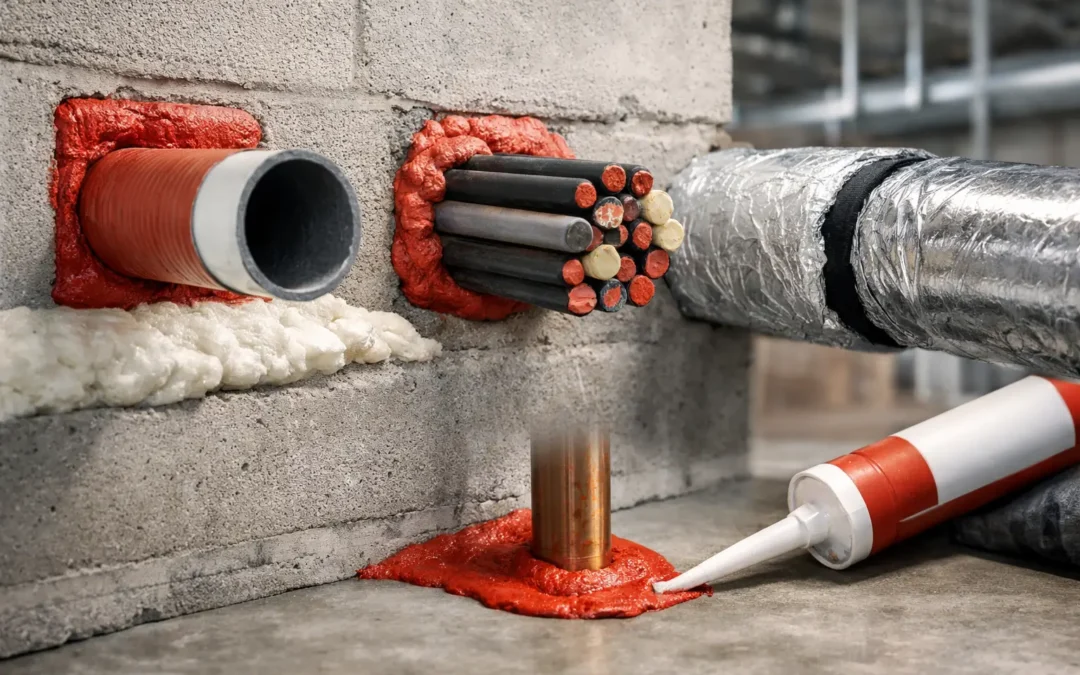
Normally the dampers are open, but they close automatically in the event of a fire. What this does is seal routes fire, smoke, and gas could take to spread through the building. The primary focus here is on ducts and pipes for utilities.
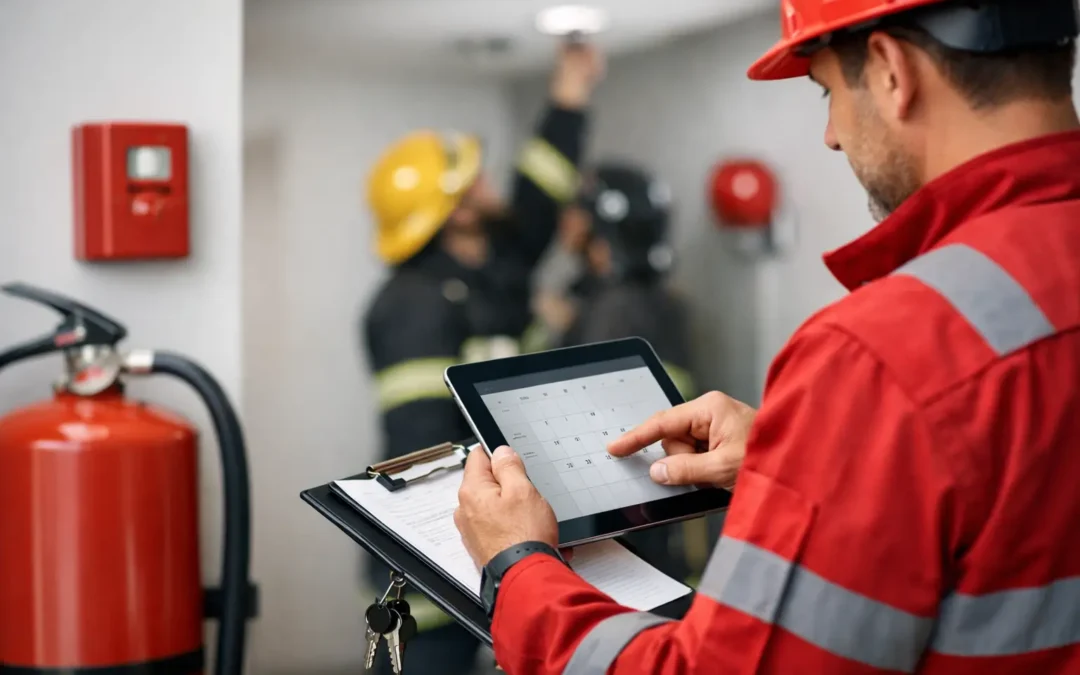
Because of how they work, you have to examine each damper frequently to make certain they function correctly. In most instances, you need an independent third party to do the fire damper tests. That will ensure the checks are free from any bias.
In this post, we want to talk about the testing requirements for dampers in commercial buildings, renovations, extensions, and new-builds.
New-builds
These structures must comply with the requirements in the Building Regulations. It is necessary for them to follow the latest version that is in effect at the time they are erected. If they are failing to do this, you might have to retrofit them. It will make them safer if there is a fire.
In particular, sprinklers may not be part of a newly building. If they are not, dampers will be a critical alternative protection solution. Please speak to us if you need professional fire damper tests performing.
Extensions to current structures
Your plans could involve extending an existing building. In this scenario, you must guarantee that you adhere to the requirements that applied when the structure was initially built. Should the building regulations change, this action will protect you from future complications. If you reside in an existing construct that meets the requirements of those regulations that were in effect when it was erected, the dangers of fire are generally minimised.
Renovations and alterations
When you renovate or alter buildings that already exist, you need to follow those requirements that apply when it was first built. You could, for example, be adding a new storey. With the new part of the structure, it has to comply with the requirements of the most recent Building Regulations.
Commercial properties and their requirements
When you build a commercial property, the design needs to adhere to the Building Regulations at that time. If it does not, you will have to retrofit it to make things safer when there is a fire.
You may have doubts relating to fire protection requirements in commercial buildings. If so, before you start any work, talk to your local planning authority.
We give our clients the best solutions with fire damper tests
At Trident Fire Protection and Training, we are able to provide top quality results to clients. This is possible because we work with you closely to understand your situation. Using the information we gain, we offer the most suitable solutions.
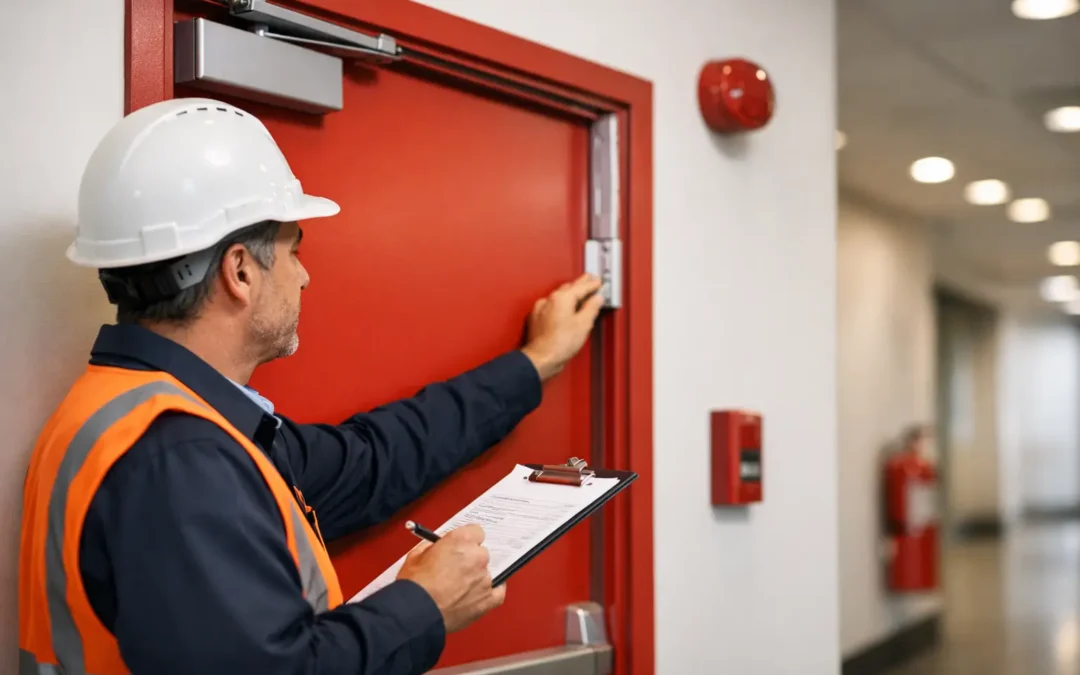
Come to us if you want the finest fire damper tests. We will inspect each one and physically make sure it will activate if necessary. Plus, you can ask us questions and get advice if you need any.