An Introduction to Fire Risk Assessments in Sunderland
A fire risk assessment in Sunderland, like any other location in the United Kingdom, is a detailed evaluation carried out to identify potential fire hazards and assess the associated risks. The primary aim of such an assessment is to enhance fire safety in premises, reducing potential threats and protecting occupants. This comprehensive guide seeks to shed light on the steps involved to help businesses and property owners understand the process better.
Fire risk assessments are not just a legal requirement, but they are also a vital safety measure. They have been designed to protect property, lives and businesses from the devastation a fire outbreak can cause. Carried out by competent professionals, these assessments provide valuable insights into fire safety measures and possible improvements.
Conducting a fire risk assessment in Sunderland involves identifying potential fire hazards, evaluating who is at risk, and devising strategies to eliminate or reduce these risks. It also requires documentation and regular reviews, ensuring that the assessment remains accurate and up-to-date.
Understanding the Importance of Fire Risk Assessments
Fire risk assessments play an integral role in fire safety. They provide a systematic and organised approach to identifying, assessing and managing potential fire risks. The main goal is to minimise the likelihood of fire, protect lives and reduce damage to property. With a proper fire risk assessment, businesses and property owners can ensure the safety of their premises and people within.
Apart from being a proactive measure that safeguards lives and properties, fire risk assessments also ensure compliance with UK fire safety regulations. Non-compliance can result in penalties, legal actions, or insurance invalidation. Therefore, a comprehensive fire risk assessment not only enhances safety but also helps to avoid legal and financial repercussions.
Undoubtedly, fire risk assessments contribute significantly to creating a safe environment. By identifying the areas of concern, they enable property owners to implement appropriate control measures, thereby fostering a safer space for occupants and visitors alike.
Legislative Framework Guiding Fire Risk Assessments in the UK
Fire risk assessments in the UK are governed by the Regulatory Reform (Fire Safety) Order 2005. This legislation mandates that a ‘responsible person’ must carry out a fire risk assessment in all non-domestic premises. The responsible person could be the employer, owner, landlord or the occupier of the property, depending on the circumstances.
The legislative framework clearly outlines the procedures involved in conducting a fire risk assessment, including identifying potential fire hazards, people at risk, and implementing necessary precautionary measures. The law also requires the responsible person to keep the fire risk assessment updated and revise it whenever necessary.
Further, the Health and Safety at Work Act 1974 imposes a duty of care on employers and building owners towards their employees and anyone else on the premises. This includes the provision of adequate fire safety measures, highlighting the significance of thorough fire risk assessments.
Steps Involved in Conducting a Fire Risk Assessment
Conducting a fire risk assessment involves five key steps. The first step is the identification of fire hazards, which can include sources of ignition, fuel, and oxygen. Next is identifying people at risk, which includes employees, visitors, and particularly vulnerable individuals such as the elderly or disabled.
The third step involves evaluating the risk and deciding on the necessary precautions. This could involve implementing fire safety measures, installing fire safety equipment, or training employees. Following this, the findings must be recorded and implemented effectively. The last step is the review and update of the fire risk assessment, ensuring it remains relevant and effective.
For a fire risk assessment to be effective, it must be done accurately and thoroughly. It may be beneficial to engage the services of a fire safety expert to ensure that all potential hazards are identified and addressed appropriately.
Identifying Potential Fire Hazards and People at Risk
One of the central aspects of a fire risk assessment is the identification of potential fire hazards. These can be characterised into three main categories: sources of ignition, sources of fuel, and oxygen. Sources of ignition can include heaters, electrical equipment, smokers’ materials, and anything else that could start a fire. Fuel sources might be flammable liquids, cardboard, paper, or waste storage, while oxygen sources usually include air conditioning or medicinal oxygen supplies.
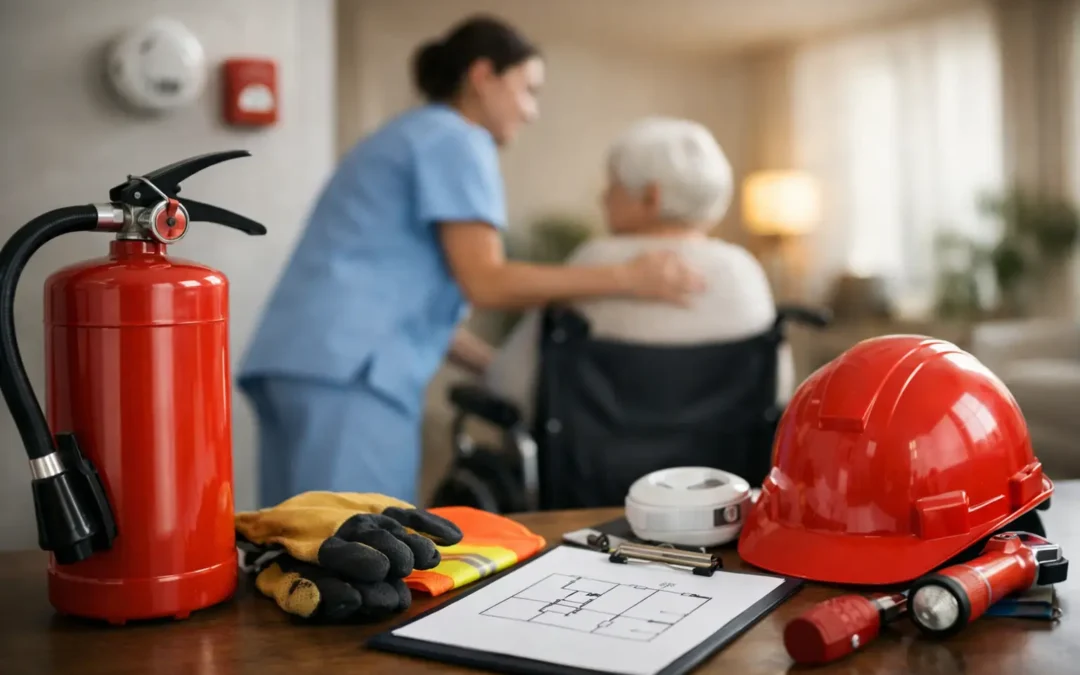
The next step is identifying the people who may be at risk in the event of a fire. This includes anyone on the premises, but particular attention should be paid to those who may be especially vulnerable. This could include people with disabilities, the elderly, children, or those working with hazardous materials.
Once potential hazards and people at risk have been identified, measures can be put into place to minimise these risks. This could involve removing or reducing fire hazards, installing fire safety equipment, or developing an effective evacuation plan.
Strategies for Mitigating Identified Fire Risks
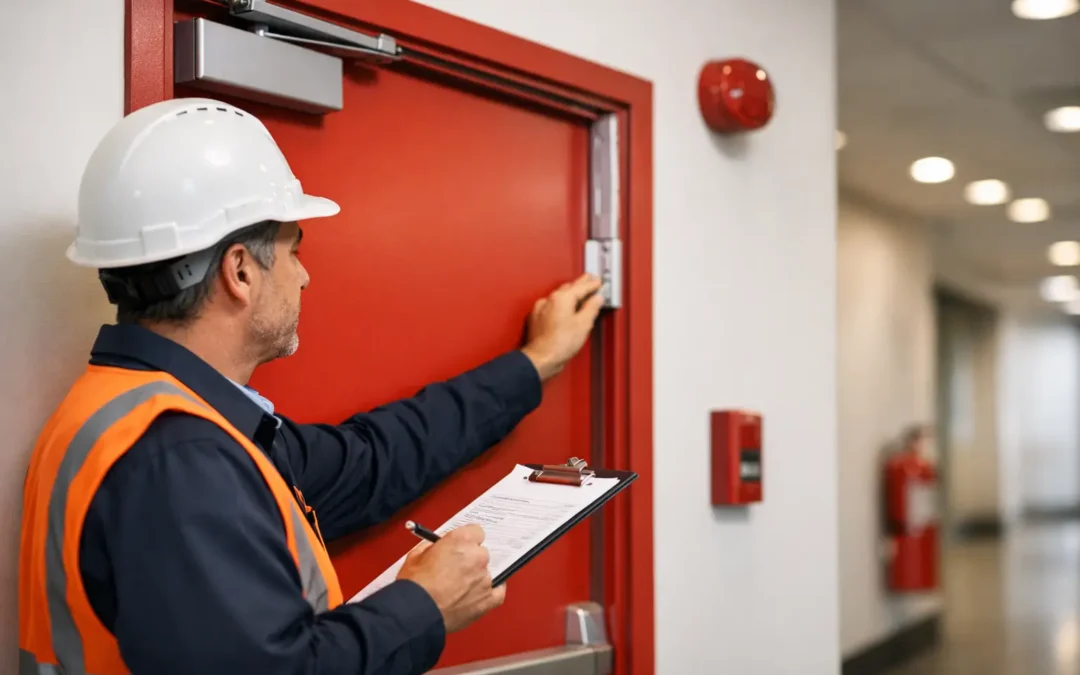
The ultimate aim of a fire risk assessment is to identify potential risks and devise strategies to mitigate them. Once hazards and potential victims have been identified, it’s time to put preventative measures into place. This can include installing fire safety equipment such as smoke detectors, fire extinguishers, and fire doors. It could also involve changing working practices to reduce the risk of a fire starting.
Training is also a key aspect of fire risk mitigation. Employees should be trained in fire safety procedures, including how to use fire-fighting equipment and how to evacuate the building safely. Regular fire drills can also help to ensure that everyone knows what to do in the event of a fire.
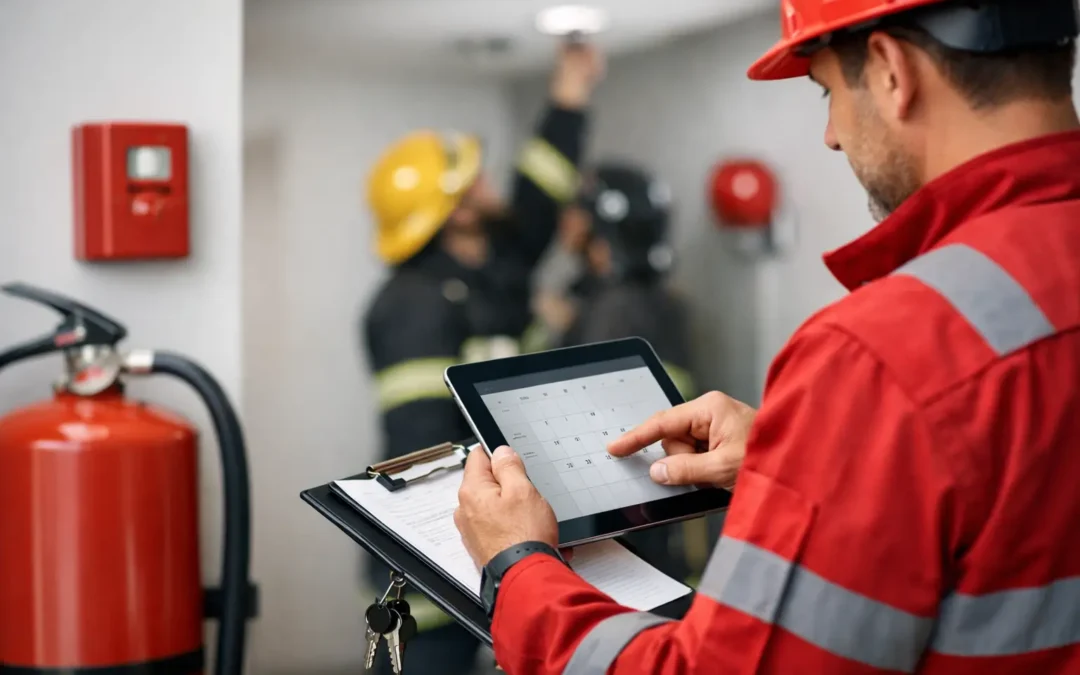
Periodic inspections and maintenance of fire safety equipment is also essential. It’s not enough to simply have this equipment in place; it must be kept in good working order. Regular checks and servicing can ensure that everything is functioning as it should be.
Documenting Your Fire Risk Assessment: Best Practices
Once a fire risk assessment has been conducted, it’s important to document the findings. This should include details on the identified hazards, the people at risk, and the measures that have been implemented to mitigate these risks. The document should also include an action plan outlining the steps that will be taken in the event of a fire.
It’s a legal requirement to keep a written record of your fire risk assessment if your business has five or more employees. However, even if your business is smaller, it’s still good practice to document your assessment. This can provide a useful reference point for future assessments and can also be used as evidence of compliance in the event of a legal dispute.
Finally, remember that your fire risk assessment should be a living document. It should be reviewed and updated regularly, particularly if there have been any changes to your premises or working practices. This can ensure that your fire safety measures remain effective and relevant.
Regular Review and Update of Your Fire Risk Assessment
A fire risk assessment is not a one-time event but rather an ongoing process. Regular reviews and updates are necessary to ensure that the assessment remains accurate and effective. It’s recommended that assessments are reviewed at least annually or whenever significant changes are made to the premises or working practices.
Regular reviews can help to identify any new hazards that have arisen and ensure that existing control measures are still effective. They can also provide an opportunity to reassess the risk level and make any necessary adjustments to your fire safety strategies.
In conclusion, a comprehensive fire risk assessment is a crucial part of ensuring fire safety in Sunderland and across the UK. By understanding and implementing the steps involved, property owners and businesses can protect their premises and the people within, while complying with UK fire safety regulations.