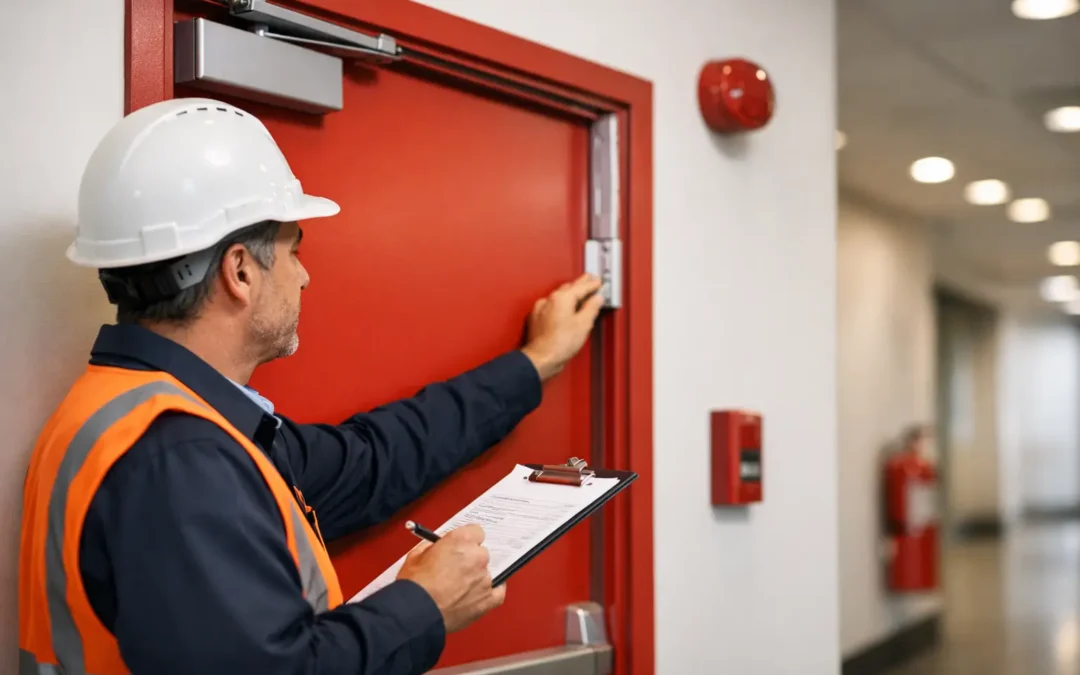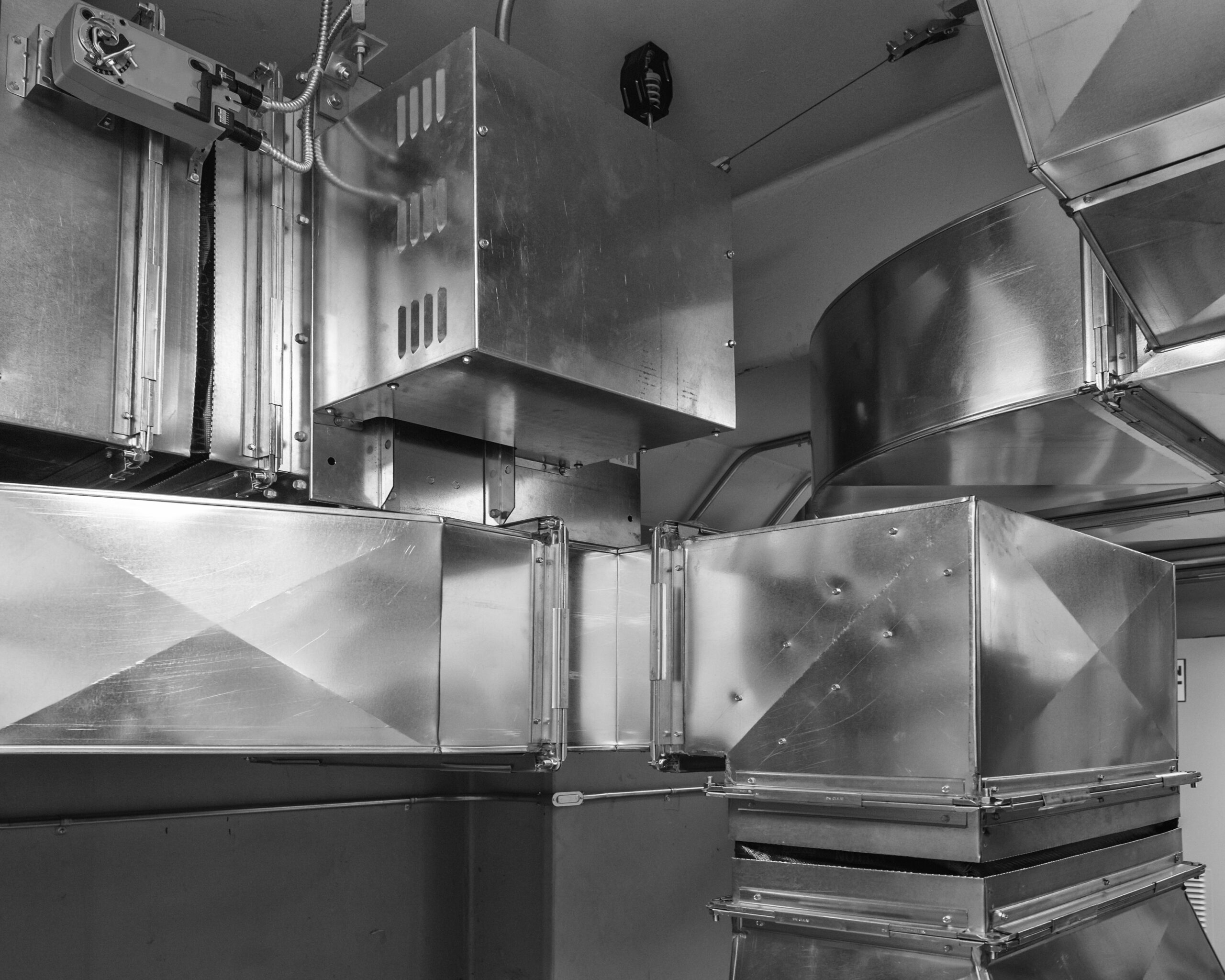
Fire damper inspections are crucial in ensuring the safety and protection of building occupants. Fire dampers are designed to prevent the spread of fire and smoke through ducts, walls, and floors. When they function properly, they can save lives and minimise property damage by compartmentalising a fire and slowing its progression. If they are defective due to inadequate maintenance, the consequences can be devastating.
The key features of an effective fire damper inspection include assessing the integrity of the damper, checking its operational functionality, and ensuring that it is free from obstructions. The primary benefit of these inspections is the assurance of safety for building occupants. Additionally, they also help in maintaining compliance with legal requirements, and can even potentially lower insurance premiums by reducing fire risk.
Fire damper inspections also contribute to the overall fire strategy of a building. They provide valuable information that can help in planning evacuation routes and fire response procedures. Regular inspections ensure that fire dampers are always ready to perform when needed, thus maintaining the building’s fire safety integrity.
Legal Requirements for Fire Damper Inspections in Liverpool
In the United Kingdom, and specifically in Liverpool, the Regulatory Reform (Fire Safety) Order 2005 mandates that fire dampers should be inspected at least annually, or more frequently depending on their type and the environment in which they are installed. This is to ensure that they are in a good working condition and can effectively contain fires.
Non-compliance with these regulations can lead to severe penalties, including hefty fines and potential imprisonment. Moreover, if a fire occurs and the dampers are found to have been poorly maintained, the building owner could be held liable for any resulting damages. Hence, regular fire damper inspections are not just a legal necessity but also a critical risk management measure.
The legal requirement for fire damper inspections also underscores their importance in ensuring fire safety. Regular inspections can reveal potential issues before they become serious problems. They provide an opportunity to address any deficiencies and ensure that the fire dampers are always ready to perform their crucial role.
Identifying the Various Types of Fire Dampers
Understanding the different types of fire dampers is essential in ensuring effective inspections. There are three main types: curtain fire dampers, dynamic fire dampers, and combination fire dampers. Curtain fire dampers have a simple design and are generally easier to inspect and maintain. Dynamic fire dampers, on the other hand, are more complex and require more sophisticated inspection procedures.
Combination fire dampers serve as both fire and smoke barriers. These are typically installed in the HVAC system and are triggered by a rise in temperature. They require a comprehensive inspection process that covers both their fire and smoke containment capabilities.
Each type of fire damper has its unique features and benefits. Curtain fire dampers, for instance, are cost-effective and easy to install. Dynamic fire dampers, though more expensive, offer superior performance in high-velocity HVAC systems. Combination fire dampers, being dual-purpose, offer the benefit of both fire and smoke containment.
Key Steps Involved in the Fire Damper Inspection Process
Fire damper inspections involve several key steps. Firstly, the inspector will visually assess the condition of the damper, checking for signs of damage or wear. Next, the damper’s operational functionality will be tested. This involves activating the damper and observing its response to ensure proper closure.
The inspector will also verify that the damper is free from obstructions that could impede its operation. If any issues are identified, they will be recorded, and corrective actions will be recommended. The last step in the inspection process is documentation. This includes recording the damper’s location, condition, and any maintenance performed. These records are crucial for maintaining compliance with fire safety regulations.
The major benefit of this thorough inspection process is that it ensures the comprehensive assessment of the damper’s condition and functionality. This not only ensures compliance with regulatory requirements but also significantly reduces the risk of fire spreading through the building.
Common Challenges During Fire Damper Inspections
Despite the importance of fire damper inspections, they can pose several challenges. Accessing the dampers can be difficult, especially in large buildings with complex HVAC systems. This can lead to missed inspections and potential non-compliance issues.
Another challenge is the lack of proper documentation. Inadequate or inaccurate records can make it difficult to track the inspection history and maintenance needs of each damper. This can lead to oversights and potential fire safety risks.
Lastly, the technical complexity of some fire dampers can pose a challenge. Dynamic and combination fire dampers, in particular, require a high level of expertise to inspect and maintain properly. This underscores the need for professional and knowledgeable inspectors.
How to Choose a Reliable Fire Damper Inspection Service
When choosing a fire damper inspection service, it is important to consider their expertise and experience. They should have a thorough understanding of the different types of fire dampers, their operation, and the common issues they may encounter. Ideally, they should also have experience in dealing with the specific type of dampers installed in your building.
Additionally, the service should be able to provide comprehensive inspection reports, including photographic evidence where necessary. This will ensure transparency and make it easier to maintain accurate records.
Lastly, a reliable service should be able to offer timely and responsive service. This will ensure that any issues identified during the inspection are promptly addressed, preventing potential fire safety risks.
Case Study: Successful Fire Damper Inspections in Liverpool
A recent case in Liverpool demonstrates the importance of regular fire damper inspections. A large office building was found to have several defective fire dampers during a routine inspection. Thanks to the detailed inspection report provided by the service, the building management was able to promptly address the issue, ensuring the safety of the occupants and maintaining compliance with fire safety regulations.
This case highlights the importance of regular inspections in identifying potential risks early. It also underscores the need for a competent and reliable inspection service that can provide thorough and accurate assessments.
Ensuring Regular Fire Damper Maintenance: Best Practices
Regular maintenance is crucial in ensuring the effectiveness of fire dampers. This includes cleaning to remove any dust or debris that could impede the damper’s operation. It also involves checking the damper’s moving parts for any signs of wear or damage.
If any issues are identified during the maintenance process, they should be promptly addressed. This may involve repairing or replacing defective parts, or even replacing the entire damper if necessary.
To ensure regular and effective maintenance, it is advisable to have a schedule in place. This will ensure that no damper is overlooked. The maintenance schedule should be based on the manufacturer’s recommendations, as well as the specific needs and conditions of the building.