Introduction to Fire Risk Assessment
Fire risk assessment is an essential process designed to identify, manage, and mitigate fire-related risks within properties. In Newcastle, where both historical and modern architecture coexist, ensuring the safety of these structures against fire is paramount. This assessment is not just a precautionary measure but a fundamental requirement to protect lives, property, and investments. By understanding and implementing a comprehensive fire risk assessment, property owners and managers can significantly reduce the likelihood of a fire incident, ensuring compliance with safety standards and legal obligations.
The primary goal of a fire risk assessment is to systematically evaluate a property for any fire hazards, assess the potential risks associated with these hazards, and implement effective control measures. This proactive approach involves a detailed examination of all aspects of the building, including the physical structure, use of the premises, and the current fire safety practices in place. The outcome is a clearer understanding of what improvements are required to enhance fire safety protections and ensure the well-being of occupants and visitors alike.
Moreover, a comprehensive assessment helps create a culture of safety among building occupants. With regular updates and reviews, a fire risk assessment remains a dynamic tool that adapts to changes in building use or structure, ensuring ongoing protection against the ever-present threat of fire.
Key Components of a Risk Assessment
The fire risk assessment process is built around several key components that ensure all aspects of fire safety are covered. Firstly, it involves identifying the fire hazards present within the premises. This can range from obvious risks like flammable materials to less apparent hazards such as blocked escape routes. Secondly, the potential people at risk need to be considered, especially those who are vulnerable such as the elderly, children, or those with disabilities.
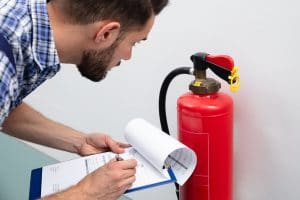
Another crucial component is the evaluation of existing fire detection and suppression systems, which includes checking if smoke alarms and fire extinguishers are in place and fully operational. Additionally, the assessment must review the adequacy of escape routes and their accessibility. All findings from these components are then recorded meticulously, with clear recommendations for mitigating any identified risks. This documentation is vital not only for compliance purposes but also for guiding the property’s fire safety strategies.
Finally, an effective fire risk assessment will also set out a schedule for regular review and monitoring. This ensures that any changes in the use of the building or its occupancy are reflected in the fire safety protocols, maintaining the integrity of the fire safety measures in place and enhancing the property’s resilience to fire outbreaks.
Legal Requirements for Newcastle Properties
In Newcastle, as in the rest of the UK, property owners and managers are legally required to conduct fire risk assessments under the Regulatory Reform (Fire Safety) Order 2005. This legislation mandates that a responsible person must carry out a detailed assessment to identify risks and hazards in premises used for commercial, public, or multi-occupancy residential purposes. Failure to comply with these legal obligations can lead to substantial fines, legal prosecution, and in severe cases, imprisonment.
The law also requires that the fire risk assessment must be kept up to date and reviewed regularly to ensure that any changes to the building structure or usage are considered. For large premises or those with high occupancy rates, such as shopping centres or residential blocks, the complexity of the assessment increases, often necessitating professional input to ensure comprehensive coverage and compliance with fire safety standards.
It is important for businesses and property managers in Newcastle to understand these legal requirements and ensure that their fire risk assessments are not only compliant but also effective in reducing the risk of fire. In this regard, engaging with professionals who are experienced in conducting these assessments can offer reassurance and guarantee that all legal requirements are met diligently.
Steps to Conducting a Thorough Assessment
Conducting a thorough fire risk assessment involves several structured steps to ensure all potential risks are identified and adequately addressed. The first step is to gather all necessary information about the premises, including building plans, previous assessment reports, and any relevant safety documentation. This provides a solid foundation for the detailed inspection to follow.
The next step involves a physical inspection of the premises to identify possible fire hazards and to evaluate the effectiveness of existing fire safety measures. This is followed by consultations with occupants and staff to gather personal perceptions of fire risk and to understand daily practices that may affect fire safety. Their insights can prove invaluable in highlighting less obvious risks that might not be evident during a physical inspection.
After the risks have been identified and evaluated, the final step is to document all the findings in a comprehensive report that lists all potential fire hazards, their associated risks and recommended measures to mitigate these risks. This report should also schedule follow-up actions and regular reviews to ensure the continuous management of fire safety in the property.
Identifying Potential Fire Hazards
Identifying potential fire hazards is a critical component of the fire risk assessment process. In Newcastle, common hazards include overloaded electrical circuits, improperly stored flammable materials, and obstructed escape routes. Each of these can significantly increase the risk of a fire breaking out and hinder evacuation efforts during an emergency.
During the hazard identification phase, assessors will also look for risks associated with operational procedures that could contribute to the onset or spread of a fire. This includes assessing the suitability of heating and cooking equipment, the presence of ignition sources in areas with combustible materials, and the general housekeeping practices within the premises.
The effectiveness of this step hinges on a comprehensive approach that considers both the physical and operational aspects of the property. It requires a meticulous eye for detail and a deep understanding of how different elements and behaviours within a building can intersect to create potential fire hazards.
Evaluating Existing Fire Safety Measures
Evaluating existing fire safety measures is an essential step in the assessment process. This evaluation focuses on ensuring that all installed fire suppression and detection systems are operational, appropriately maintained, and suitable for the specific risks identified in the property. Fire extinguishers, smoke detectors, and sprinkler systems must all be checked for functionality and compliance with current safety standards.
Furthermore, the assessment considers the adequacy of fire escape routes and exits. These must be clearly marked, free from obstructions, and sufficiently illuminated to facilitate a quick and safe evacuation in case of a fire. Emergency lighting systems, signage, and floor markings play a crucial role in this aspect.
Training and awareness among staff and occupants are also evaluated. Regular drills, proper training on the use of fire safety equipment, and clear communication of evacuation plans are critical components that enhance the overall safety of the premises. An effective fire safety measure is as much about the hardware installed as it is about the preparedness and responsiveness of the people within the building.
Creating Your Fire Safety Action Plan
Once the assessment is complete and all data has been gathered, the next crucial step is to create a comprehensive fire safety action plan. This plan outlines the specific measures that need to be implemented to mitigate identified risks. It should detail responsibilities, set deadlines for corrective actions, and provide a clear roadmap for enhancing fire safety within the premises.
The action plan must also include provisions for training and educating all occupants about fire safety practices, including the correct use of fire extinguishers, the importance of keeping fire exits clear, and the procedures to follow in case of a fire. Regular drills should be scheduled to ensure everyone is familiar with evacuation routes and actions to take in an emergency.
Moreover, the fire safety action plan should be a living document that is reviewed and updated regularly. This ensures it remains effective and relevant, adapting to any changes in building use, structure, or occupancy. Such dynamic updating helps in maintaining a high standard of fire safety, keeping the property and its occupants safe.
Choosing a Professional Assessment Provider
Choosing the right professional provider for conducting a fire risk assessment can significantly impact the thoroughness and effectiveness of the entire process. In Newcastle, several qualified and experienced providers offer comprehensive fire risk assessment services. It is crucial to select a provider with a robust track record of compliance and safety performance in similar properties or industries.
Accreditations and certifications provide a benchmark of quality and reliability. Providers certified by respected bodies such as the National Fire Protection Association (NFPA) or the Fire Protection Association (FPA) in the UK are often preferred for their demonstrated competence and adherence to strict safety standards. Furthermore, testimonials and reviews from past clients can provide insights into the provider’s reliability and quality of service.
Ultimately, the chosen provider should not only conduct a thorough and compliant assessment but also offer ongoing support in implementing the fire safety action plan. Their expertise can be invaluable in ensuring that the property remains safe and compliant, providing peace of mind to property owners and managers.
The comprehensive approach outlined in this article ensures that properties in Newcastle are equipped to prevent, manage, and mitigate the risks associated with fire. By adhering to legal standards and engaging with professionals, property owners can ensure a safe environment for all occupants and visitors.